Diverticular Disease
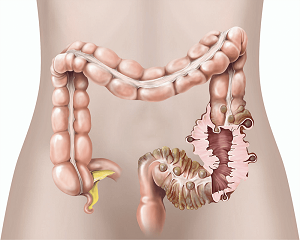
Diverticulosis is characterized by the presence of
diverticula (small out pouching) in the weakened area of
the wall of the large intestine. The diverticula are most
commonly found in the sigmoid colon. In around 10% of the
patients suffering from diverticular disease,
complications develop. Some of these complications are
inflammation of the diverticular (also known as
diverticulitis), obstruction or blockage and bleeding
Causes of diverticular disease
There is no known cause of diverticular disease. According
to many physicians, intake of a diet that is low in
roughage or fiber is the major cause of the disease.
Symptoms of diverticular disease
Both diverticulosis and diverticulitis present with
different symptoms.
Symptoms of Diverticulosis
There are no symptoms present in many patients suffering
from diverticulosis; however, some patients may develop
abdominal cramping and bloating and symptoms of
constipation. Passage of bright red blood through rectum
indicates the occurrence of bleeding. The bleeding is
usually painless; however, it is recommended to consult
your doctor right away if bleeding occurs as it can be
dangerous..
Symptoms of Diverticulitis
Diverticulitis may present with many symptoms such as pain
in lower abdomen, fever, feeling sick, vomiting, nausea,
or change of bowel habits.
How is diverticular disease diagnosed ?
The diagnosis of diverticular disease includes:
-
CT scan
-
History taking
-
Blood tests
-
Stool sampling
-
Digital rectal exam
-
X ray and barium enema
-
Colonoscopy
Treatment of diverticular disease
Treatment of diverticular disease depends on the severity
of the disease and whether you have diverticulosis or
diverticulitis.
Treatment of diverticulosis
Diverticulosis is treated by modifying the diet in the
form of including fiber rich foods. You may also get
relief by trying mild pain killers.
Treatment of diverticulitis
To treat diverticulitis, your doctor may give your
antibiotics and advice to be on a liquid diet. Majority of
the patients get relief with this treatment. However,
surgery and certain other treatments may be required in
other patients.
Try to include the following foods more in your diet:
-
Fresh fruits such as apples, pears, peaches and
tangerines
-
Vegetables such as squash, broccoli, Brussels sprouts,
and carrots
-
Starchy vegetables such as baked beans, potatoes, lima
beans and kidney beans
-
Whole grains such as whole wheat bread, oatmeal, bran
flake cereal and brown rice