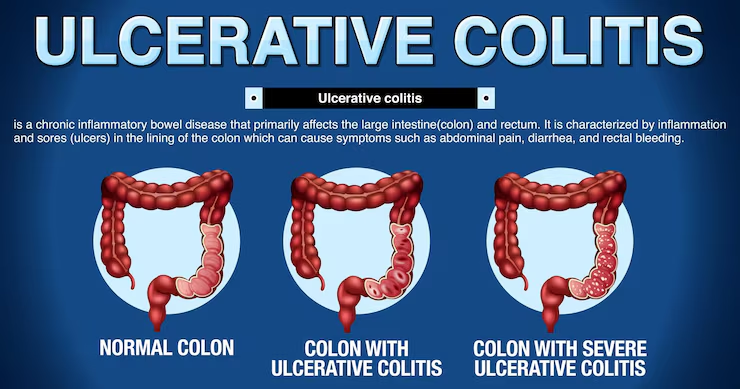
Ulcerative Colitis Disease
Colitis is characterized by swelling and inflammation of
the large intestine (bowel).
There are various types of colitis including:
-
Ulcerative Colitis
-
Infectious colitis
-
Crohn's disease
-
Radiation colitis
-
Ischemic colitis
Ulcerative Colitis
Ulcerative colitis is an autoimmune disease that is
characterized by chronic inflammation of the large bowel.
It is one of the two types of Inflammatory bowel disease,
the other being Crohn's disease. Ulcerative colitis is
a chronic illness that runs a long course over years and
decades with waxing and waning of symptoms. It affects
males and females in equal proportion.
Causes of ulcerative colitis
The cause of uncreative colitis remains unknown. The
likely causative mechanism involves the immune system in
the intestines, which is abnormally activated. In normal
circumstances, the cells of the immune system react to a
foreign invader in the form of a bacteria, fungi, virus
etc. However, in ulcerative colitis patients, the immune
system is activated abnormally and chronically without any
known harmful foreign substance.
This leads to damage to healthy tissues of the colon
leading to inflammation and ulceration.
Symptoms of ulcerative colitis
Some of the common symptoms of ulcerative colitis are
bleeding from the rectum, pain in abdomen and loose
stools. However, the symptoms depend upon the extent and
severity of the disease.
Other symptoms of ulcerative colitis are:
-
Pain in rectum
-
Tenesmus
-
Unintentional weight loss
-
Blood in stools
-
Fever
-
Generalized fatigue and tiredness
-
Night sweats
-
In severe cases the patient may develop dehydration
and shock.
Diagnosis
The diagnosis of ulcerative colitis is made through an
assessment of the symptoms, family history, and a series
of examinations. .
The various tests include:
-
Colonoscopy and biopsy
-
Barium enema
-
Blood tests
-
Stool examination
Treatment
The treatment for ulcerative colitis depends on the
severity of the condition. Although mild cases may only
require a few lifestyle changes, more severe cases often
require surgery and hospitalization
Treatment options include:
-
Dietary modifications such as avoiding high fiber
diet, avoiding high fat diet and drinking large
amounts of water.
-
Anti inflammatory Drugs(Mesalamine-Oral or enema)
-
Corticosteroids such as prednisone or
methylprednisolone are indicated during an acute flare
up.
-
Surgical procedures which may involve removal of the
entire colon (proctocolectomy) is recommended in
severe