Hepatic Encephalopathy (HE)
- Home
- Hepatic Encephalopathy (HE)
Gastro Treatments
Treatment
Working Time
- Mon To Sat 7:30AM - 20:00
- with prior appointment
- Sunday Closed
Director Profile

Dr. Umesh Jalihal
Dr. Umesh Jalihal was a Professor and Head of Gastroenterology Department at the reputed M.S. Ramaiah Memorial Hospital, Bengaluru. He is also the Director of Karnataka Gastro Centre, Bengaluru.
More information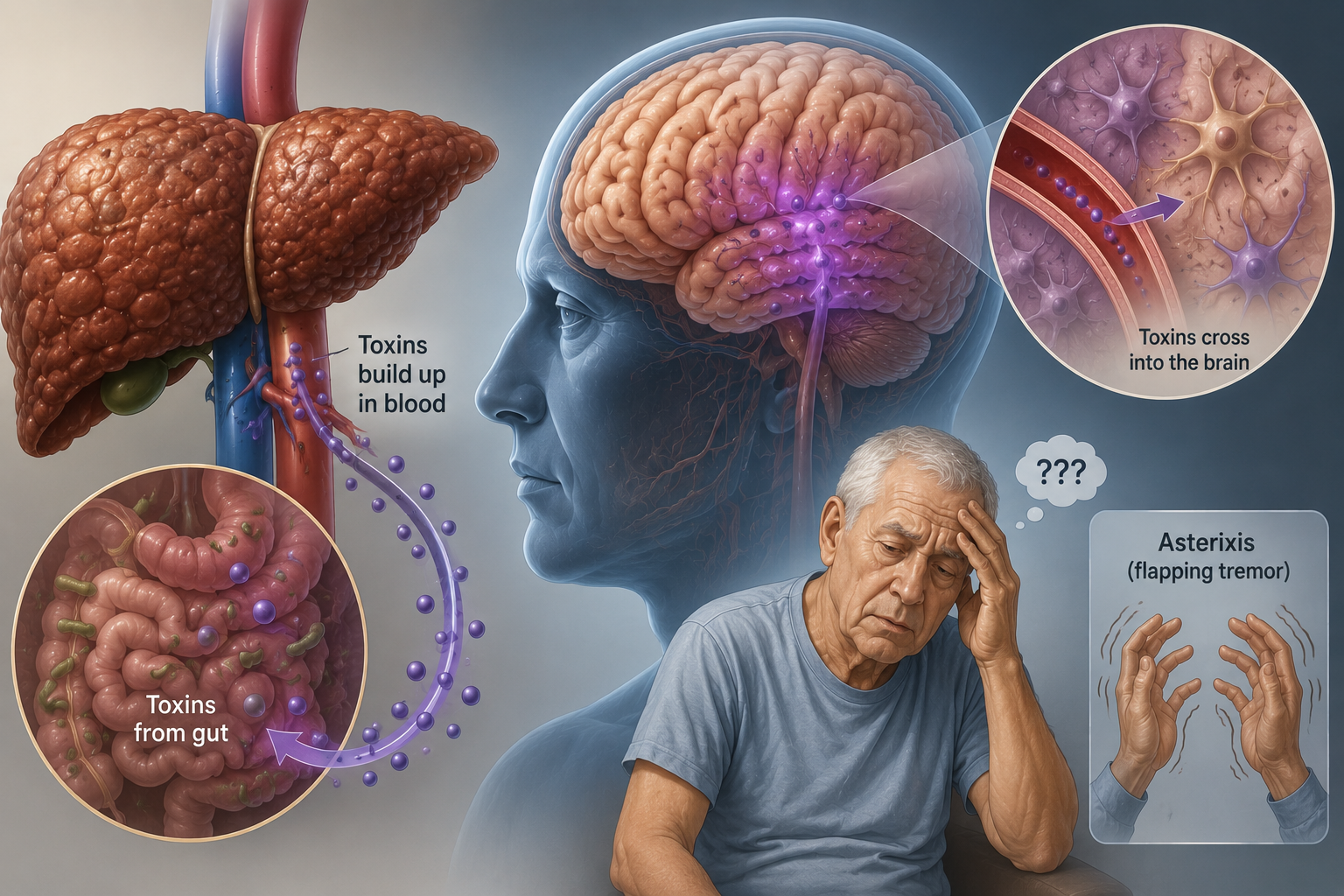
Specialized Hepatic Encephalopathy Care at Karnataka Gastro Centre
Hepatic encephalopathy(HE)Treatment
Hepatic encephalopathy is the loss of brain function that occurs when the liver is unable to remove toxins from the blood.
Causes
The exact cause of hepatic encephalopathy is unknown. Hepatic encephalopathy is brought on by disorders that affect the liver. These include :
-
Conditions that reduce liver function (such as cirrhosis or hepatitis)
-
Conditions in which blood circulation does not enter the liver
How it develops
An important job of the liver is to make toxic substances in the body harmless. These can include substances made by the body as well things that you take in (such as medicines). However, when the liver is damaged, these "poisons" can build up in the bloodstream. Ammonia, which is produced by the body when proteins are digested, is one of the substances normally made harmless by the liver. Other toxins may also build up. These things can cause damage to the nervous system.
When liver damage occurs, hepatic encephalopathy may occur suddenly, even in people who have not had liver problems in the past. More often, the problem develops in people with chronic liver disease.
Hepatic encephalopathy may be triggered by
-
Dehydration
-
Eating too much protein
-
Electrolyte abnormalities (especially a decrease in potassium) from vomiting, or from treatments such as paracentesis or taking diuretics ("water pills")
-
Bleeding from the intestines, stomach, or esophagus
-
Infections
-
Kidney problems
-
Low oxygen levels in the body
-
Shunt placement or complications
-
Surgery
-
Medicines that suppress the central nervous system (such as barbiturates or benzodiazepine tranquilizers) .
Disorders that can appear similar to hepatic encephalopathy include
-
Alcohol intoxication
-
Complicated alcohol withdrawal
-
Meningitis
-
Metabolic abnormalities such as low blood glucose
-
Sedative overdose
-
Subdural hematoma (bleeding under the skull)
-
Wernicke-Korsakoff syndrome
Symptoms
In some cases, hepatic encephalopathy is a short-term problem that can be corrected. It may also occur as part of a chronic problem from liver disease that gets worse over time. Symptoms may begin slowly and slowly get worse. They may also begin suddenly and be severe from the start.
Early symptoms may be mild and include
-
Breath with a musty or sweet odor
-
Change in sleep patterns
-
Changes in thinking
-
Confusion that is mild
-
Forgetfulness
-
Mental fogginess
-
Personality or mood changes
-
Poor concentration
-
Poor judgment
-
Worsening of handwriting or loss of other small hand movements
More severe symptoms may include
-
Abnormal movements or shaking of hands or arms
-
Agitation, excitement, or seizures (occur rarely)
-
Disorientation
-
Drowsiness or confusion
-
Strange behavior or severe personality changes
-
Slurred speech
-
Slowed or sluggish movement
Exams and Tests
People with hepatic encephalopathy can become unconscious, unresponsive, and possibly enter a coma Patients are often not able to care for themselves because of these symptoms. Signs of nervous system changes may include:
-
Shaking of the hands ("flapping") when trying to hold arms in front of the body and lift the hands
-
Problems with thinking and doing mental tasks
-
Signs of liver disease, such as yellow skin and eyes (jaundice) and fluid collection in the abdomen (ascites)
-
Musty odor to the breath and urine
Tests may include
-
Complete blood count or hematocrit to check for anemia
-
CT scan of the head or MRI
-
EEG
-
Liver function tests
-
Prothrombin time
-
Serum ammonia levels
-
Sodium level in the blood
-
Potassium level in the blood
-
BUN and creatinine to see how the kidneys are working
TREATMENT
Anti coma line of treatment include lactulose,rifaximin,enema.