UGI Endoscopy
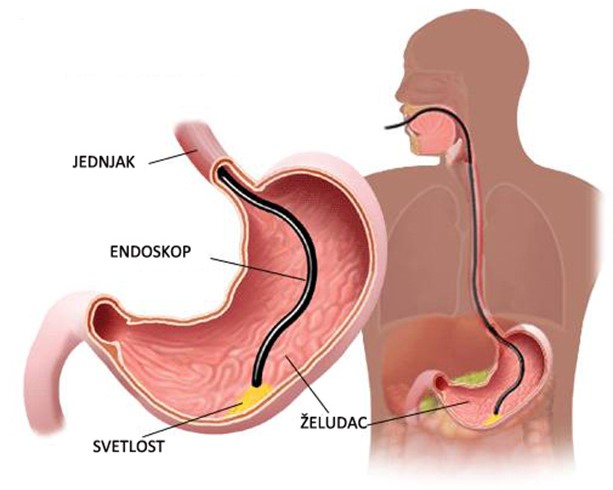
Upper gastrointestinal endoscopy is a medical procedure in which a flexible tube with a camera and light is used to examine the upper digestive tract.

Upper gastrointestinal endoscopy is a medical procedure in which a flexible tube with a camera and light is used to examine the upper digestive tract.
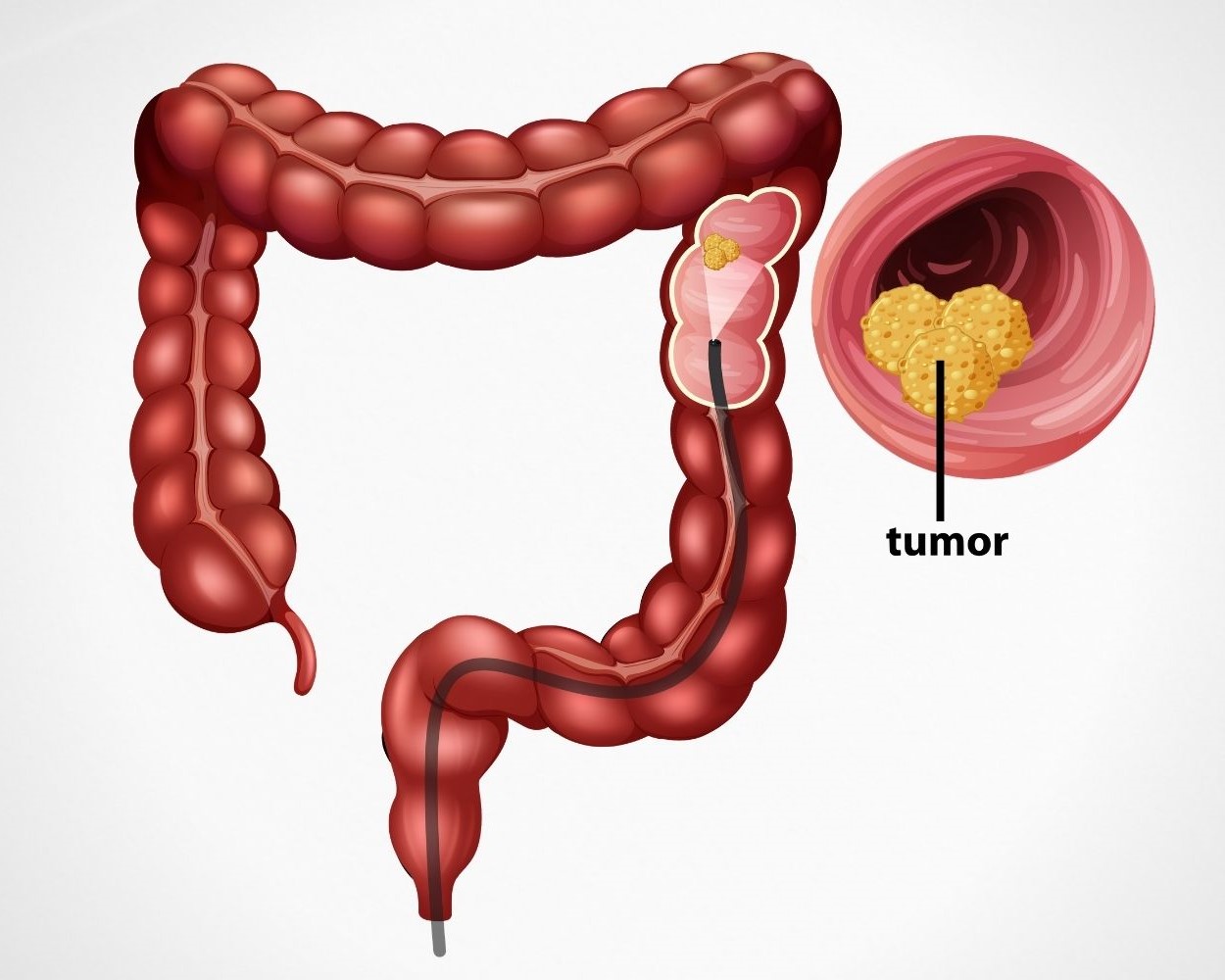
A colonoscope is used to examine the inside of the colon and rectum, helping detect inflammation, polyps, bleeding, and other lower digestive conditions.
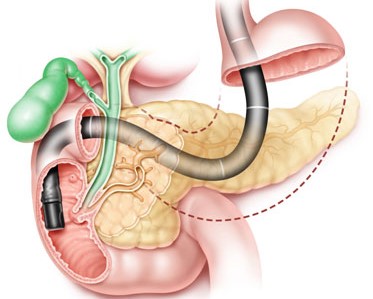
ERCP helps diagnose and treat bile duct, pancreatic duct, and gallbladder problems using endoscopy combined with imaging guidance.

Nutrition guidance is provided for gastrointestinal conditions, liver disorders, and post-procedure recovery with practical diet planning.
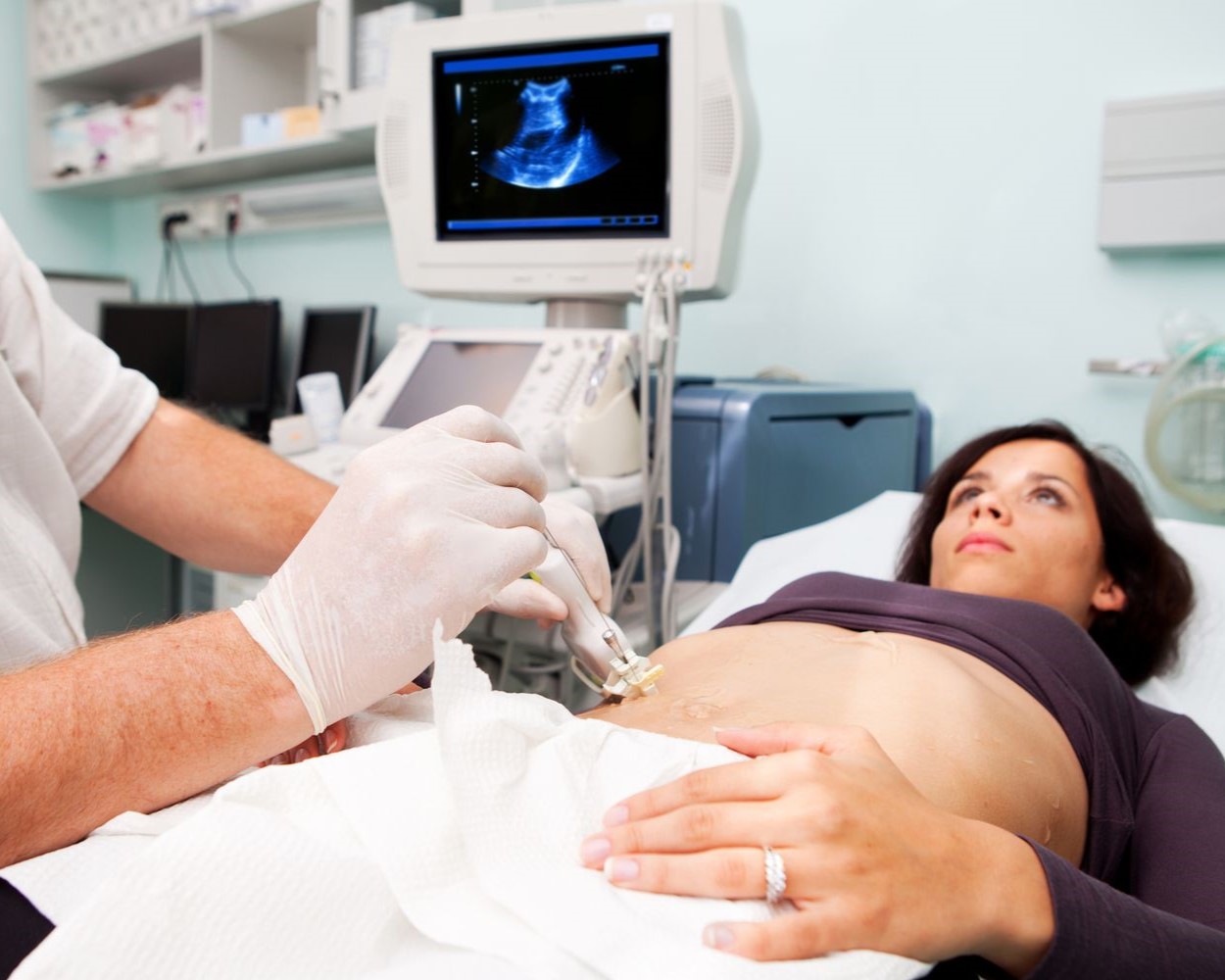
Liver biopsy and fibroscan help assess liver health, fibrosis, and disease severity so treatment can be planned with better clarity.
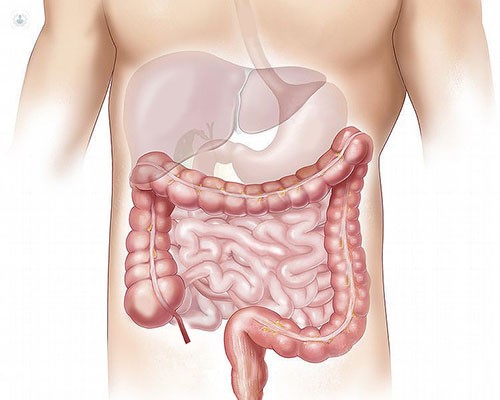
Double balloon enteroscopy is used to examine deeper areas of the small intestine and manage selected bleeding or structural problems.
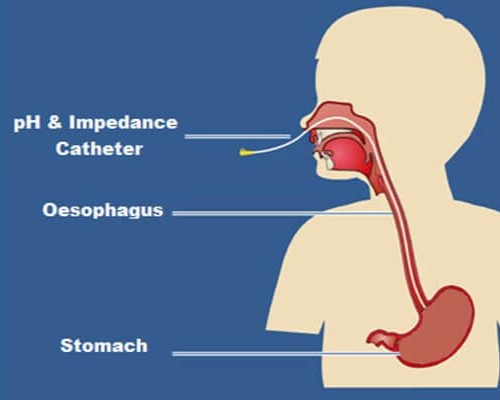
Manometry and 24-hour pH study are specialized tests used to evaluate swallowing function, reflux severity, and esophageal pressure patterns.
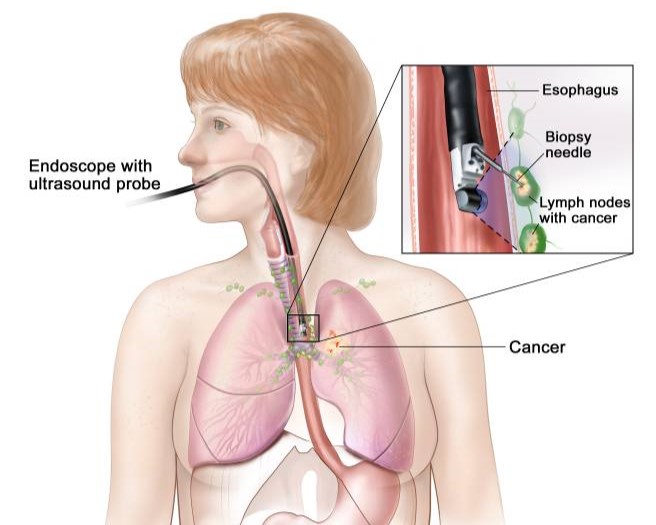
Endoscopic ultrasonography combines endoscopy and ultrasound to evaluate digestive organs and nearby structures in greater detail.